
Trézor.io/Start — Starting Up™ Your Device | Trezor®®
Explore Trezor.io/start for practical guidance on setting up a Trezor hardware wallet, connecting compatible software, using Trezor Suite, and protecting recovery information.
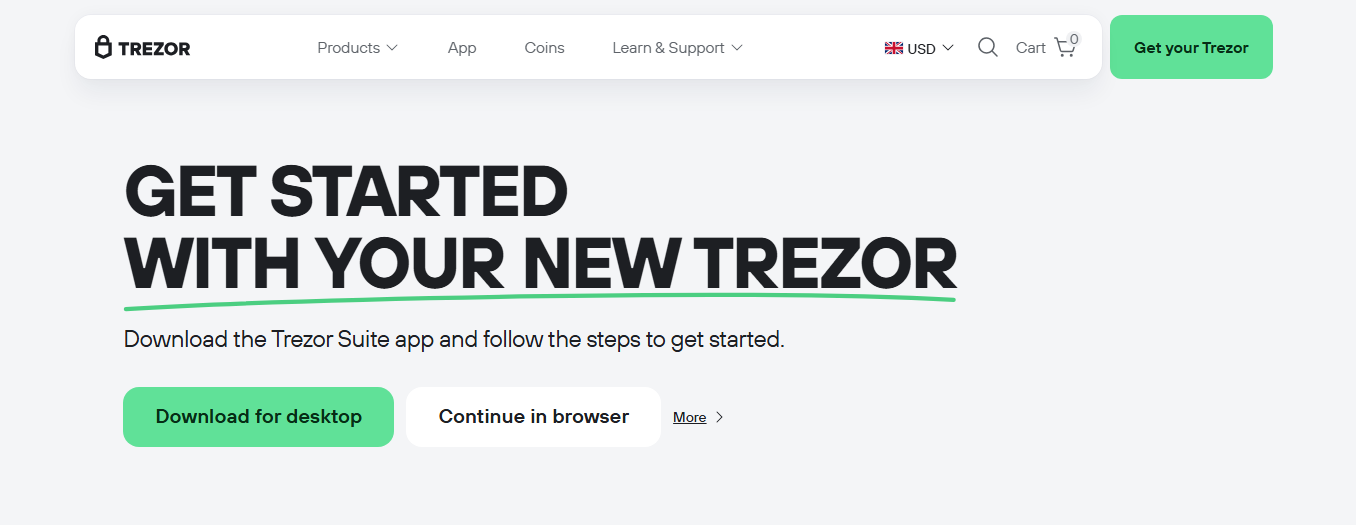
Trezor.io/start: A Practical Guide to Setting Up and Using Your Trezor Wallet
Managing cryptocurrency securely begins with choosing the right approach to protecting wallet access. A hardware wallet provides an additional layer of security by keeping important wallet credentials within a dedicated physical device. For people starting with a Trezor hardware wallet, Trezor.io/start can serve as a useful entry point for learning about device setup, wallet software, recovery protection, and secure transaction practices.
The setup process may seem unfamiliar at first, but understanding how the hardware device, wallet software, and recovery backup work together makes the experience much easier. A careful setup also helps establish good security habits from the beginning.
Understanding Trezor.io/start
Trezor.io/start is associated with the initial setup journey for Trezor hardware wallet users. Rather than treating a hardware wallet like a conventional online account, it is important to understand that the physical device is an essential part of managing and approving cryptocurrency activity.
During setup, users typically prepare their device, connect it to a compatible environment, follow the wallet software instructions, and establish the necessary security information. Each stage should be completed carefully instead of being rushed.
The goal is to create a secure foundation before cryptocurrency is transferred to the wallet.
How a Trezor Hardware Wallet Works
A Trezor hardware wallet is designed to provide a dedicated environment for managing sensitive wallet credentials. Wallet software running on a computer or other supported device provides the interface for viewing accounts and interacting with cryptocurrency networks.
The hardware wallet adds an important security boundary. When an action requires authorization, the user can review and confirm it through the physical device.
This separation between software and hardware is one of the main concepts new users should understand before managing significant digital assets.
Preparing Before You Begin
Before starting the Trezor wallet setup process, choose a private location and allow enough time to complete the process without distractions. Avoid using unfamiliar computers or downloading wallet software from random websites.
It is also useful to have a secure place ready for storing recovery information. Recovery details should never be treated like an ordinary password. They can provide a way to restore wallet access, which means anyone who obtains them may potentially gain control over the associated assets.
Taking preparation seriously can prevent many common security mistakes.
Connecting and Initializing the Device
Once the device is ready, connect it using the appropriate connection method and follow the instructions provided by the wallet software. During initialization, the device may display information that needs to be confirmed directly.
Pay attention to the physical Trezor screen whenever security-sensitive information is displayed. A computer can potentially be affected by malware or misleading software, while the hardware device is intended to provide a trusted place for reviewing important details.
Do not approve an action simply because a computer prompt tells you to do so. Review the information first.
Creating a Secure Recovery Backup
One of the most important stages of Trezor setup is creating and protecting the recovery backup. This information is intended to help restore access to a wallet under appropriate circumstances.
Because the recovery information is so important, it should remain private and offline. Do not save it in a cloud account, email it to yourself, store it in a phone gallery, or type it into a website.
Avoid sharing recovery information with anyone. If someone asks you to provide recovery words to troubleshoot, verify, synchronize, or unlock a wallet, treat the request as a serious warning sign.
A secure backup strategy is just as important as protecting the physical device itself.
Using Trezor Suite for Wallet Management
Trezor Suite is designed to provide a convenient software interface for interacting with supported Trezor hardware wallets. Users can use the software environment to view wallet information, review activity, manage accounts, and perform supported cryptocurrency operations.
The software should not be confused with the hardware device. Trezor Suite provides the interface, while the hardware wallet remains an important part of the authorization process.
Keeping the software updated through legitimate sources and maintaining the physical device securely can help create a more reliable wallet-management routine.
Receiving Cryptocurrency
After the wallet has been configured, users may want to receive cryptocurrency. Before accepting a transaction, carefully verify the receiving address.
Cryptocurrency addresses can be long and difficult to read, so copying and pasting should still be followed by verification. When the hardware wallet provides an opportunity to confirm an address, compare the information carefully.
For larger transfers, consider sending a small test transaction first if appropriate. This can help confirm that the destination and network are correct before moving a larger amount.
Sending Cryptocurrency Safely
Sending cryptocurrency requires careful attention because blockchain transactions are generally not reversible in the same way as traditional card or bank payments.
Before confirming a transaction, review the recipient address, amount, network, and fees. If the hardware device displays transaction information, use the physical screen as an important verification point.
Never approve a transaction simply because you expect it to be correct. If the information shown on the device does not match your intention, stop and investigate the discrepancy.
A few seconds of verification can prevent a costly mistake.
Protecting Against Phishing Attacks
Phishing is one of the most important security risks for cryptocurrency users. Attackers may create websites, applications, emails, or messages that imitate legitimate wallet services.
Some fake pages may claim that users must enter their recovery information to complete a Trezor login, fix a wallet problem, verify ownership, or restore an account. These requests should be treated with extreme caution.
A hardware wallet does not eliminate the need for security awareness. Always verify the website you are using and avoid clicking unknown links in unsolicited messages.
Keeping Your Trezor Setup Updated
Software updates can be an important part of maintaining a secure wallet environment. When updates are available, obtain them through trusted official channels and follow the instructions carefully.
Before making significant changes to a wallet environment, ensure that your recovery backup is available and securely stored. Never rely on a device alone as the only form of access protection.
Regularly reviewing your wallet setup can also help you recognize outdated software, unfamiliar applications, or unexpected account activity.
Common Trezor Wallet Mistakes
New users often make mistakes because they approach a hardware wallet like a normal software account. One common error is storing recovery information digitally. Another is downloading software from an unofficial source.
Other mistakes include failing to verify addresses, approving transactions without checking the device screen, responding to suspicious support messages, or entering sensitive wallet information into websites.
The safest approach is to slow down whenever something involves recovery information, transaction approval, or device security.
Building a Long-Term Security Routine
Successful Trezor wallet management is not only about completing the initial setup. Security should remain part of everyday cryptocurrency activity.
Keep the hardware device physically protected. Store the recovery backup separately in a secure offline location. Use trusted wallet software and remain cautious about unexpected communications.
When making transactions, verify important details before approval. If a website or application suddenly asks for information that you have never previously needed to provide, stop and investigate before continuing.
These simple habits can make cryptocurrency management more predictable and secure.
Final Thoughts
Trezor.io/start can be a useful starting point for people learning how to configure and manage a Trezor hardware wallet. The process involves more than connecting a device and opening wallet software. Users should understand recovery protection, transaction verification, software security, phishing risks, and the relationship between Trezor hardware and wallet applications.
A careful setup creates a stronger foundation for future cryptocurrency management. By protecting recovery information, verifying transactions, using trusted software, and staying alert to suspicious requests, users can build a responsible approach to managing their digital assets with a Trezor wallet.
Updated about 3 hours ago