
Trézor.io/Start — Starting Up™ Your Device | Trezor®
Explore Trezor.io/start for practical guidance on Trezor hardware wallet setup, device configuration, Trezor Suite access, account management, and recovery protection.
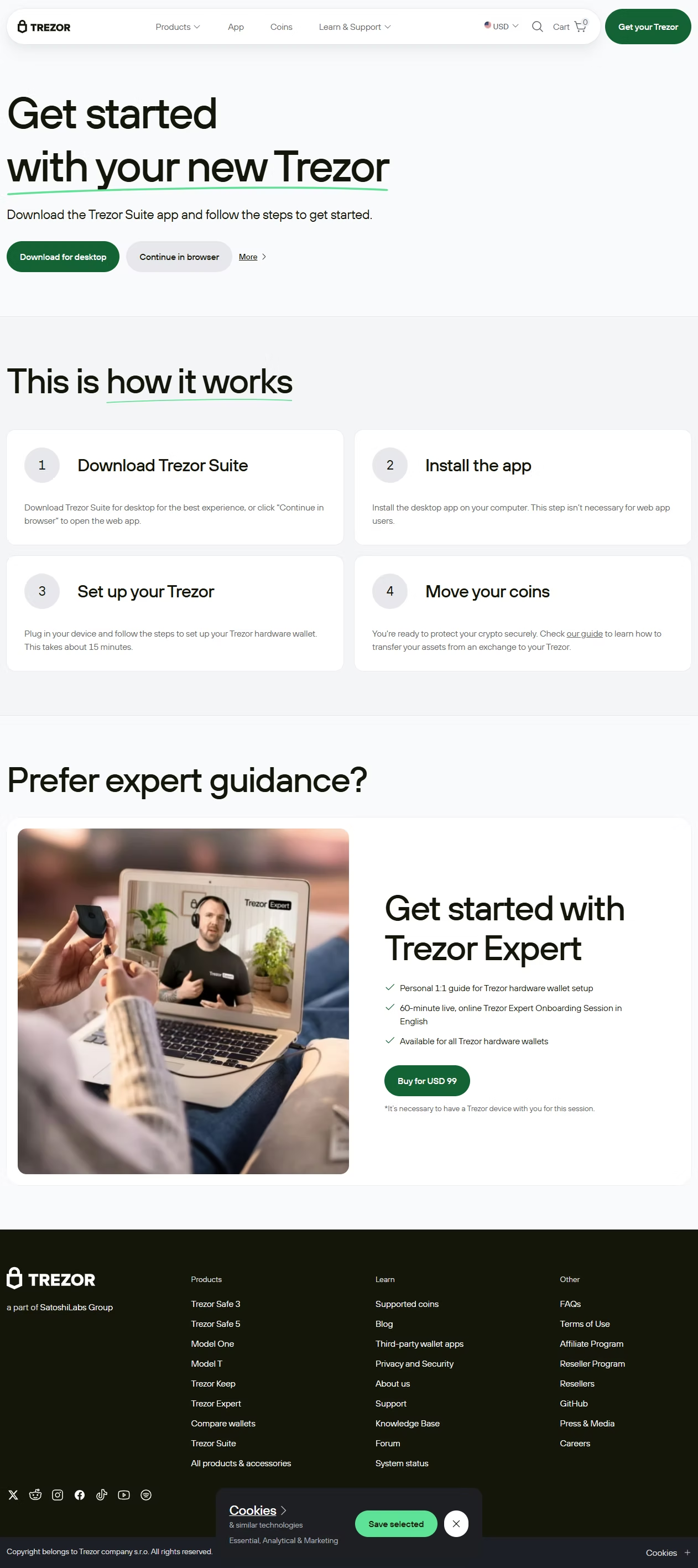
Trezor.io/start: A Complete Guide to Setting Up Your Trezor Hardware Wallet
Setting up a hardware wallet is an important step for cryptocurrency users who want greater control over their digital assets. Unlike a traditional software wallet, a hardware wallet uses a dedicated physical device to help protect the credentials used to authorize transactions. For people beginning with a Trezor device, Trezor.io/start is commonly associated with the initial setup and onboarding process.
A successful setup involves more than connecting a device to a computer. Users should understand how the hardware wallet works, how recovery information should be protected, how wallet software interacts with the device, and how to recognize potential security threats. Taking time to understand these fundamentals can make everyday cryptocurrency management much safer and easier.
What Is Trezor.io/start?
Trezor.io/start refers to the starting point users may look for when beginning their Trezor hardware wallet setup. It is associated with the process of preparing a Trezor device, connecting it with the appropriate wallet software, and completing the security steps required before managing cryptocurrency.
For beginners, a setup page can provide a structured path through what might otherwise seem like a complicated process. Instead of randomly searching for wallet software or instructions, users can begin with the appropriate setup resources and follow the steps relevant to their device.
The most important principle is to make sure that the software and instructions being used come from a trusted source.
Why Use a Trezor Hardware Wallet?
A hardware wallet is designed to provide a dedicated environment for protecting sensitive wallet credentials. Rather than depending entirely on a computer or smartphone, users can keep important cryptographic operations associated with a physical device.
This approach can provide an additional layer of security when managing cryptocurrency. The computer acts as the interface for interacting with wallet software, while the hardware wallet helps protect the credentials used to authorize transactions.
A Trezor device can therefore be useful for users who want to manage digital assets while maintaining greater control over their wallet security.
Preparing Before Trezor Wallet Setup
Before starting the setup process, prepare a trusted computer or compatible device and make sure the operating system is reasonably up to date.
Users should also obtain wallet software from a legitimate source. Avoid downloading applications from unofficial websites, suspicious advertisements, random file-sharing pages, or links sent by unknown individuals.
It is equally important to approach setup without distractions. Recovery information and security instructions should be handled carefully, and users should never rush through steps involving sensitive wallet information.
Connecting Your Trezor Device
After obtaining the appropriate software, connect the Trezor hardware wallet according to the instructions for the specific model.
The device may display setup instructions directly on its screen. Pay close attention to information shown on the hardware wallet rather than relying only on instructions displayed by a computer.
During initialization, the device may guide the user through security-related steps such as creating device protection and preparing recovery information.
The exact process can vary depending on the Trezor model and software environment, so users should follow the instructions appropriate to their device.
Creating and Protecting Your Recovery Backup
Recovery information is one of the most important parts of a self-custody cryptocurrency wallet. It can provide a way to restore access to wallet accounts if the original hardware device is lost, damaged, or unavailable.
Because this information can be extremely sensitive, it should be protected carefully.
Never share a recovery backup with another person. Do not enter it into an unfamiliar website, mobile application, computer program, or online form. It should not be sent through email or messaging services.
Users should also avoid storing recovery information in screenshots or ordinary cloud documents.
A secure offline backup is an important part of maintaining control over a hardware wallet.
Protecting Your Trezor Device
The hardware wallet itself should also be treated as a security-sensitive device. Users should keep it physically protected and avoid allowing unknown people to access it.
Device security credentials should be kept private. If someone has unauthorized access to the device and other sensitive information, the security of the wallet could potentially be compromised.
It is also important to remember that hardware wallet security involves both digital and physical protection. A secure computer, trusted software, protected device, and properly stored recovery backup all contribute to a stronger security environment.
Using Trezor Suite With Your Wallet
Trezor Suite provides a software environment for interacting with supported Trezor hardware wallets. It can provide tools for managing supported cryptocurrency accounts, checking balances, reviewing activity, and preparing transactions.
The software and hardware have different roles. The application provides the user interface, while the hardware wallet is involved in protecting sensitive wallet credentials and authorizing important actions.
This separation is a key concept for beginners. The computer is not simply being used as an ordinary online account where a password alone controls access to cryptocurrency.
Receiving Cryptocurrency Safely
Receiving cryptocurrency usually involves providing a wallet address to the sender. Before sharing an address, users should confirm that it belongs to the correct account and that the appropriate asset and network are being used.
Address verification is particularly important because blockchain transactions can be difficult or impossible to reverse.
When dealing with a new destination or a significant transfer, some users may choose to send a small test transaction first. This provides an additional opportunity to confirm that the address and network information are correct.
Never assume that an address supplied through an unexpected message is safe simply because it appears familiar.
Sending Cryptocurrency Securely
Sending cryptocurrency requires careful verification. Before confirming a transaction, review the destination address, amount, network, and applicable transaction fee.
The information displayed on the hardware wallet should also be checked carefully before approval. If something does not match the transaction you intended to make, do not confirm it.
Avoid rushing because a website, message, or application claims that a transaction must be completed immediately.
Taking a few moments to verify the details can prevent serious mistakes.
Avoiding Fake Trezor Websites
Phishing is one of the most important threats cryptocurrency users should understand. Attackers can create fake websites that imitate legitimate wallet services and use familiar terms such as “Trezor login,” “Trezor Suite,” or “Trezor wallet recovery.”
The goal may be to convince users to reveal sensitive information.
Be especially cautious if a website asks for a complete recovery backup. Legitimate support should not require users to disclose confidential recovery information simply to troubleshoot a wallet.
Unexpected messages that create fear or urgency should also be treated carefully. Instead of following an unsolicited link, independently navigate to the trusted Trezor website.
Keeping Wallet Software Updated
Wallet software should be maintained through trusted sources. Updates can improve compatibility, functionality, and security, but users should make sure they are installing genuine software.
The same principle applies to device updates. Before performing important maintenance, users should follow the instructions appropriate to their Trezor model and make sure their recovery backup is safely protected.
Never install a supposed wallet update from an unknown pop-up or message.
Common Trezor Setup Mistakes
Beginners can make several avoidable mistakes during hardware wallet setup. One common problem is downloading software from an unofficial source. Another is storing recovery information digitally where it may be exposed.
Users should also avoid sharing device security information, approving transactions without checking the hardware wallet, and entering recovery information into websites claiming to offer technical support.
Another mistake is treating a hardware wallet like a conventional online banking account. Cryptocurrency self-custody requires users to take personal responsibility for protecting the information that controls wallet access.
Building Good Trezor Security Habits
A secure wallet routine begins with a trusted setup. Use legitimate wallet software, protect the hardware device, keep recovery information offline, and verify transactions before approval.
It is also useful to remain cautious about unsolicited support messages, investment offers, giveaways, and urgent security warnings.
Security should not stop after the initial Trezor.io/start setup. Every future transaction and software interaction should be approached with the same level of care.
Final Thoughts
Trezor.io/start can serve as an important starting point for users beginning their Trezor hardware wallet journey. The setup process introduces several concepts that are essential to responsible cryptocurrency management, including hardware security, recovery backups, wallet software, transaction verification, and phishing awareness.
A successful setup is not simply about connecting a device. It is about creating a secure environment that can be maintained over time.
By using trusted software, protecting recovery information, verifying transactions carefully, and remaining alert to fake websites and unsolicited support requests, users can build a safer and more confident approach to managing cryptocurrency with a Trezor hardware wallet.
Updated about 3 hours ago